Energy Systems We Consider
Every conversation begins with local reality and the conditions on the ground.
A system that works in the subarctic won’t necessarily fit a community in the southern interior. Whether a community is fully diesel-dependent or grid-connected with a backup system, the focus is on the mix that will still work twenty years from now, not just on the day it is installed.
We also prioritize systems that create local jobs.
If a community cannot operate and maintain its own power, it is not truly resilient.
Our work is about strengthening critical services like health centres, water plants, and housing, and supporting a shift away from total diesel dependence toward systems that are cleaner, more reliable, and locally managed.
Image note:
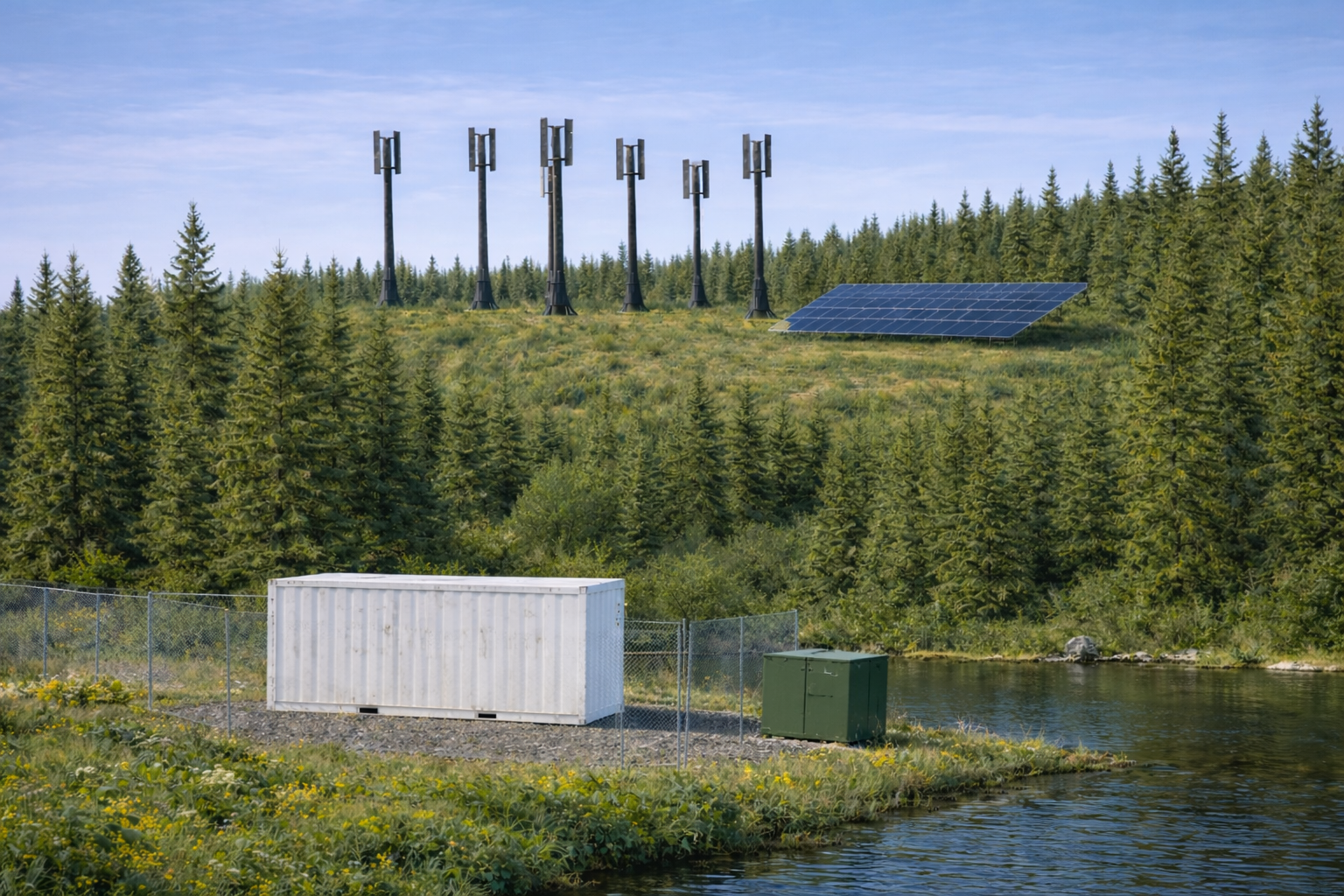
The visuals on this page are conceptual illustrations generated to help communicate ideas and system relationships. They are not depictions of installed projects or specific communities.
Solar Energy
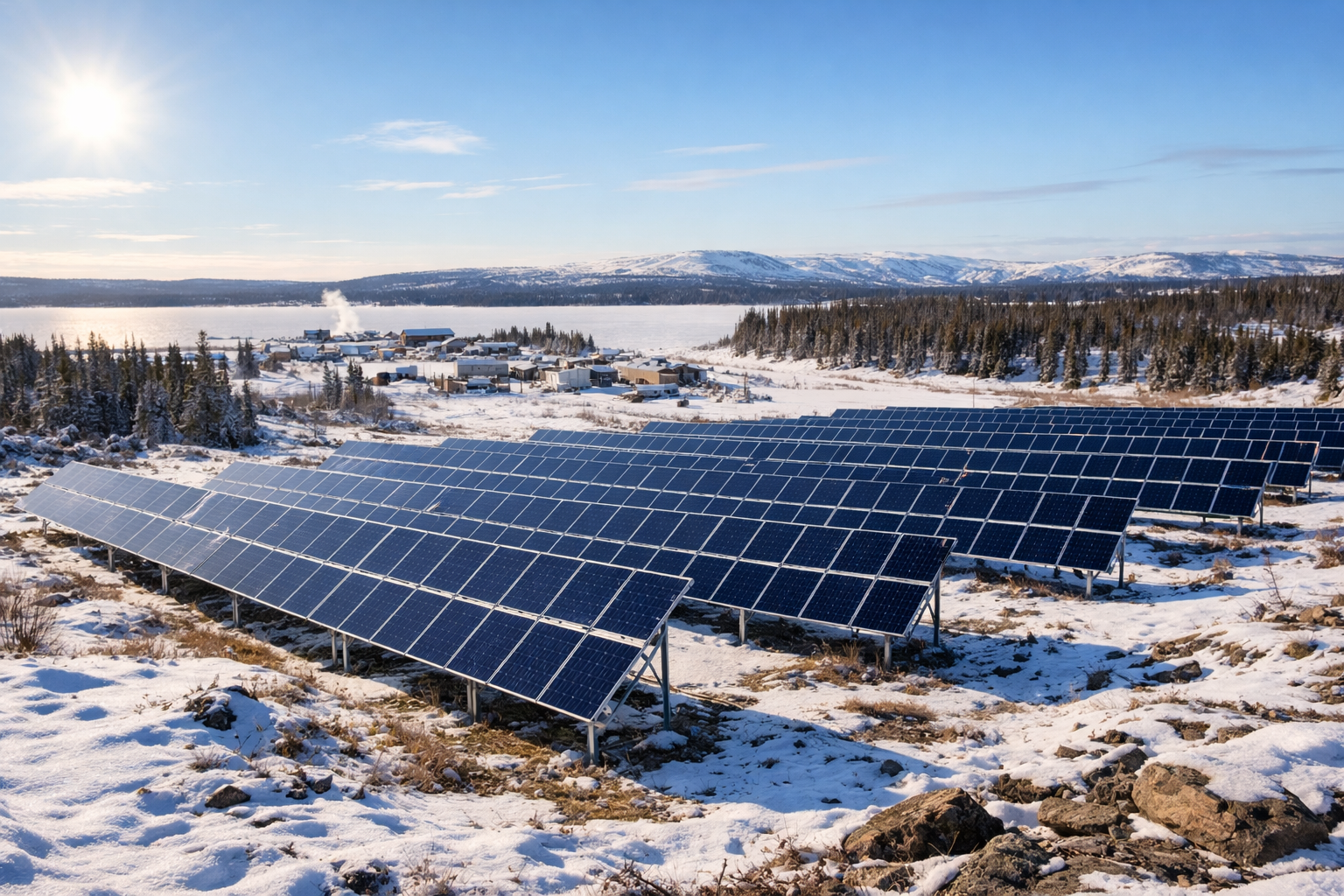
Solar is usually the first component communities look at. Whether rooftop or ground-mounted, these systems are most effective during the long daylight hours of summer, allowing for a direct reduction in diesel use.
For communities on the grid, solar paired with storage can take over the role of diesel backup systems in protecting essential services. Our focus is on the sizing and placement needed to make the system dependable in local conditions, and to ensure the infrastructure holds up over the long term.
Wind Energy
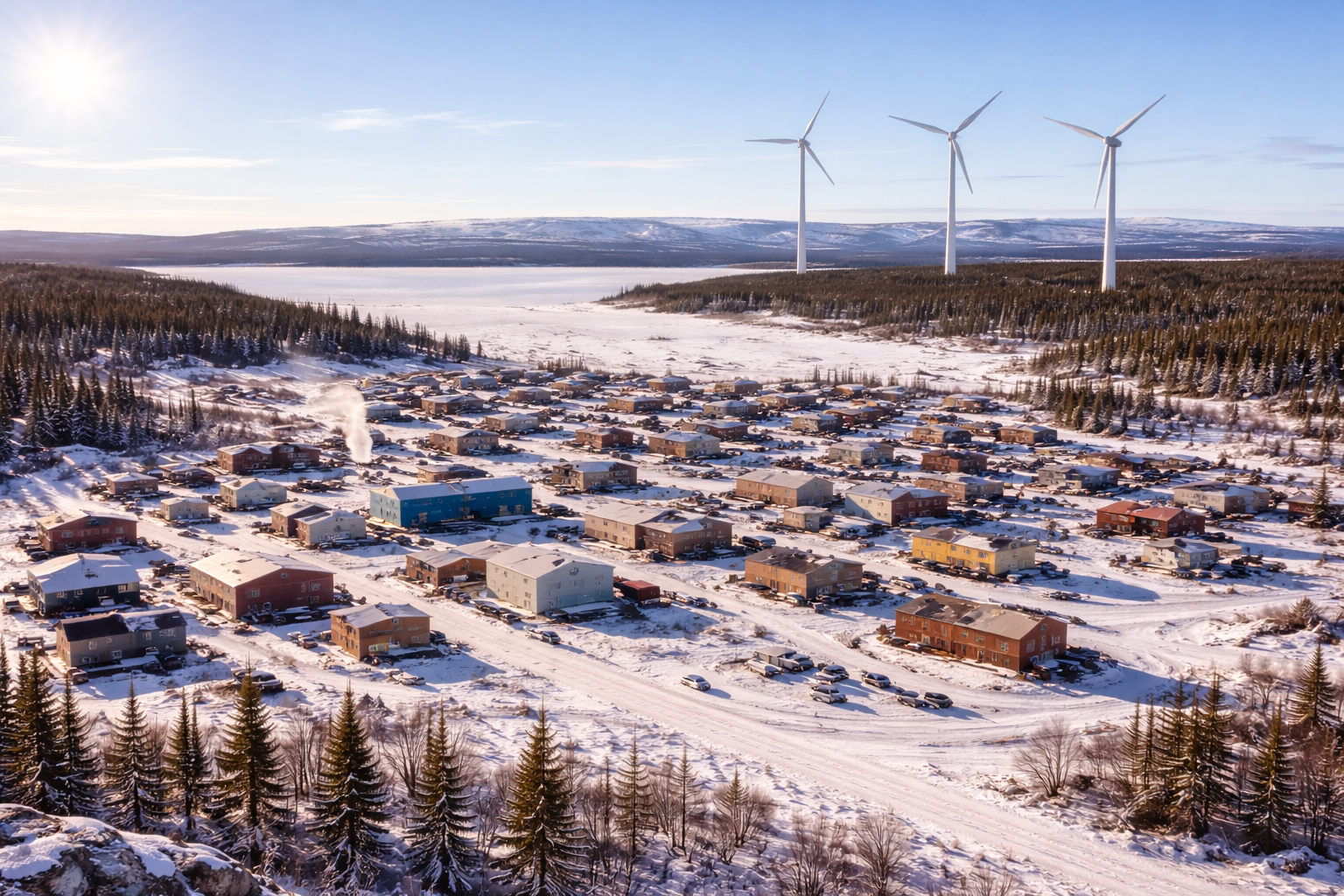
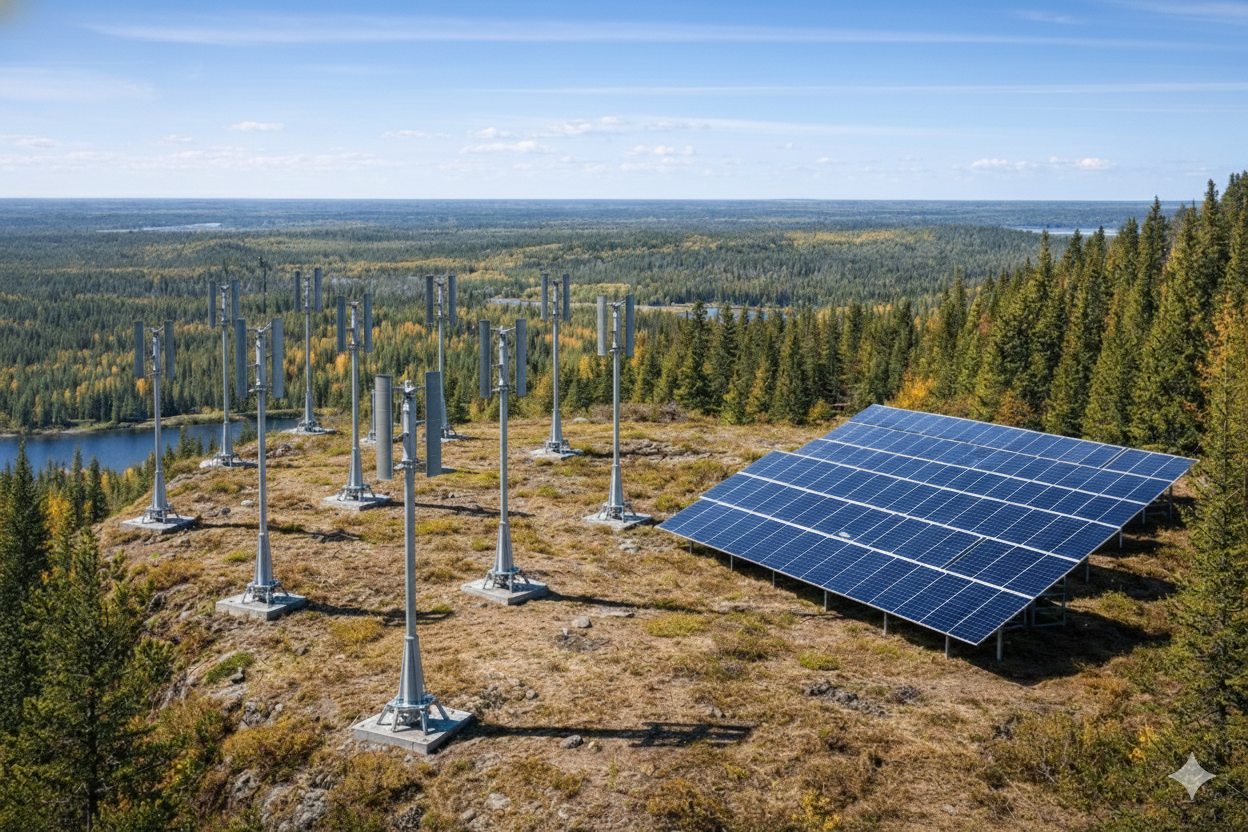
Small- and medium-scale wind systems pick up where solar leaves off. In northern and remote regions, wind is often strongest in winter, when solar output is lowest and reliance on diesel is highest.
We work with communities to see whether wind is a good fit, looking closely at logistics, site access, and what it takes to keep systems running in extreme cold. When paired with other power sources, wind adds the extra layer of reliability needed to keep essential services running through the darkest months of the year.
Geothermal (Ground-Source Energy)
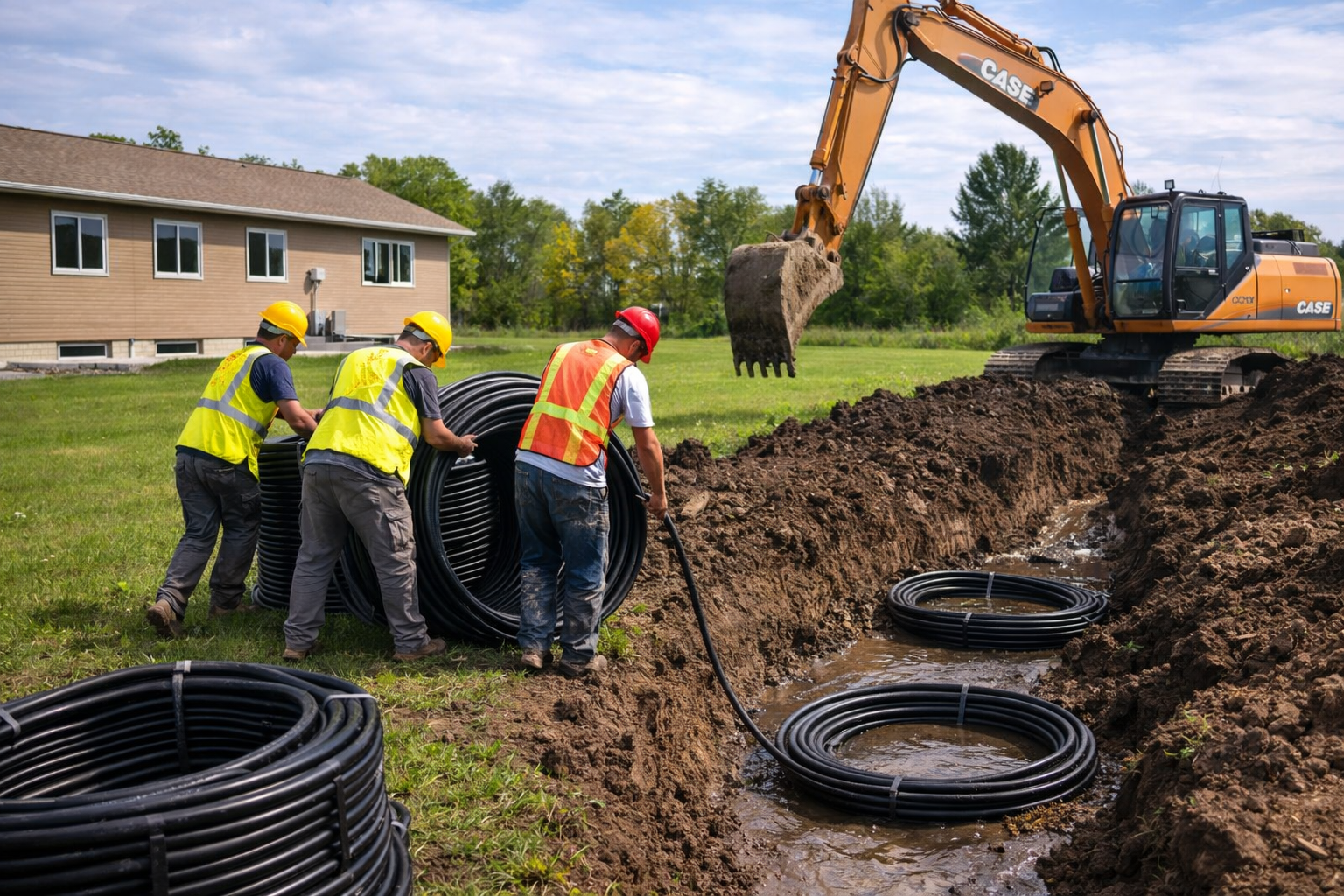
Geothermal systems draw on stable underground temperatures to provide heating and cooling. While they require more effort to install than solar or wind, they are exceptionally durable and built to stay in the ground and operate for decades.
In most northern communities, heating is the biggest energy drain. Shifting that load to geothermal can drastically cut diesel use. In grid-connected settings, it also takes the pressure off the system during the coldest weeks of the year, helping keep the power on for health centres and care facilities.
We focus on the early technical work, looking at soil conditions and system sizing, to make sure the infrastructure fits the community’s long-term growth.
Biomass and Bioenergy
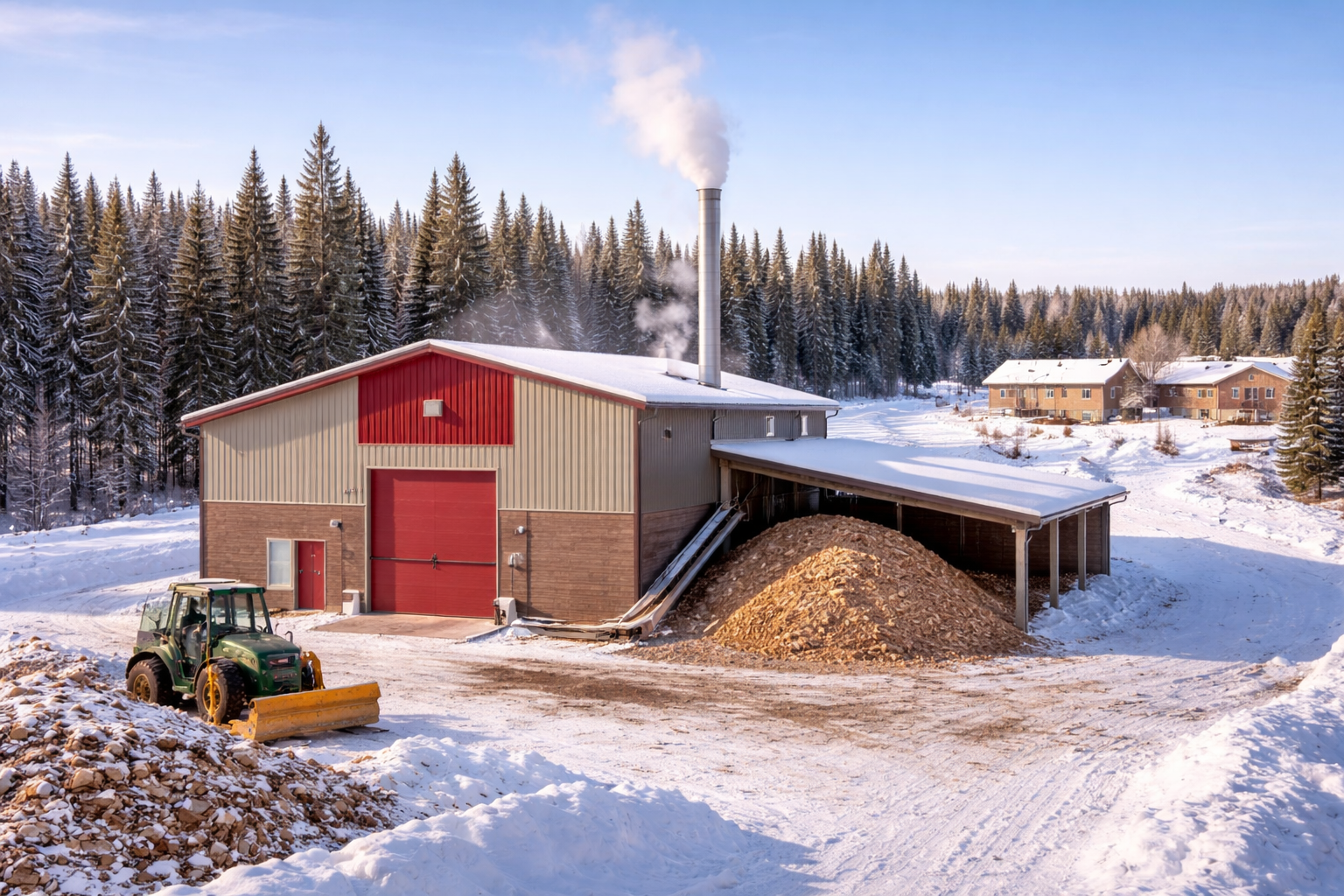
Biomass systems use local organic materials such as wood waste from forestry or other sustainable sources to produce heat and power.
When managed locally, biomass can cut diesel use and keep more energy spending in the community by replacing imported fuel with local resources. These systems also create year-round jobs in fuel supply and operations, helping build local capacity around energy systems.
We focus on the logistics of the fuel supply. Our role is to ensure there is a reliable source of material and the local capacity to keep the system running for the long haul.
Small and Run-of-River Hydro
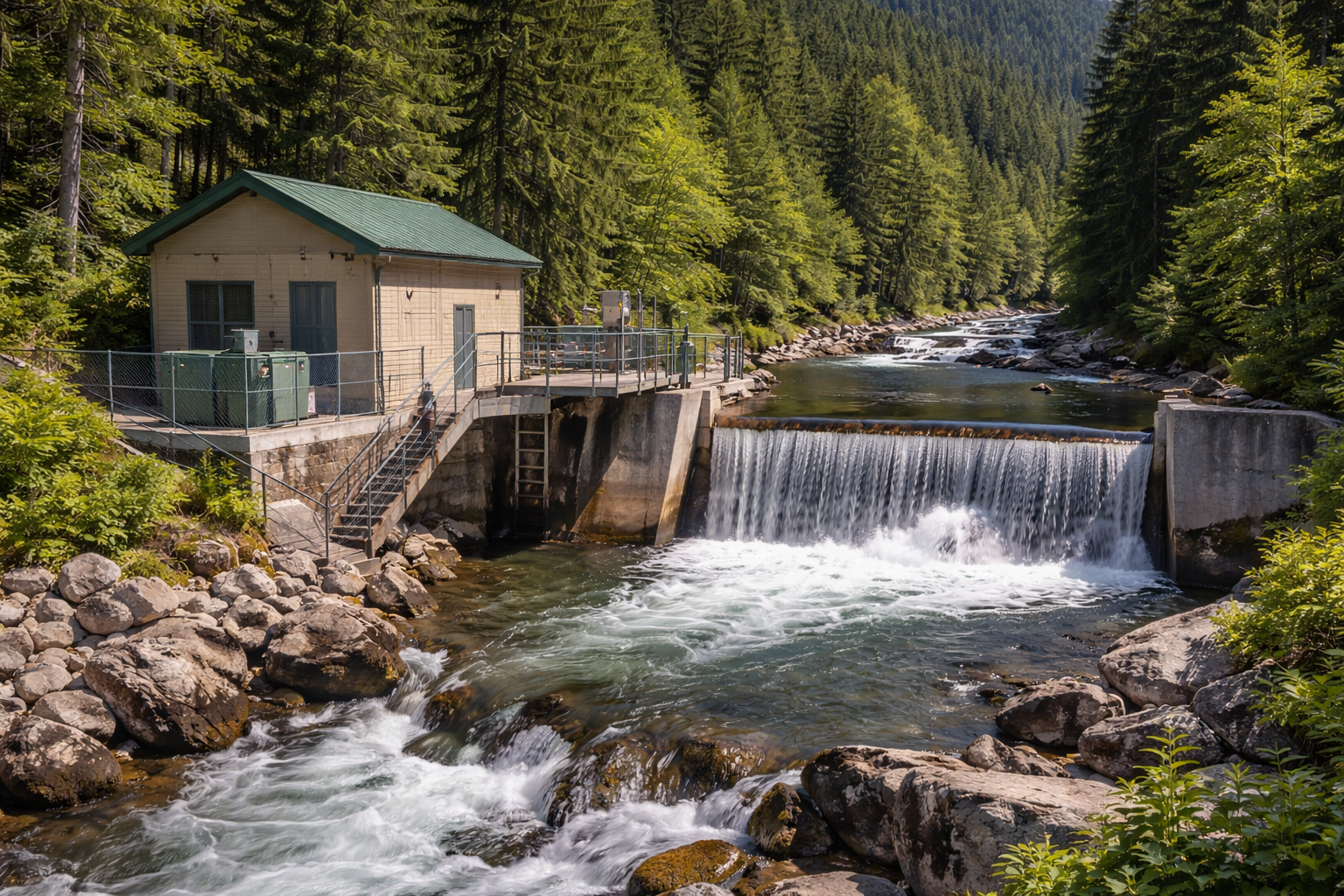
Small-scale and run-of-river hydro systems can provide a steady source of power where local water conditions allow. Unlike large-scale hydro, these systems are designed to work with existing rivers and typically avoid flooding or major land disturbance.
When a project is community-led and the site is chosen carefully, hydro can provide consistent power across most seasons. This can make it a strong option for reducing or replacing diesel used to support essential services.
We work with communities to look at water flow, site access, and land considerations. The goal is to understand whether the local geography can support a system that is practical to maintain and aligned with long-term community needs.
Energy Storage
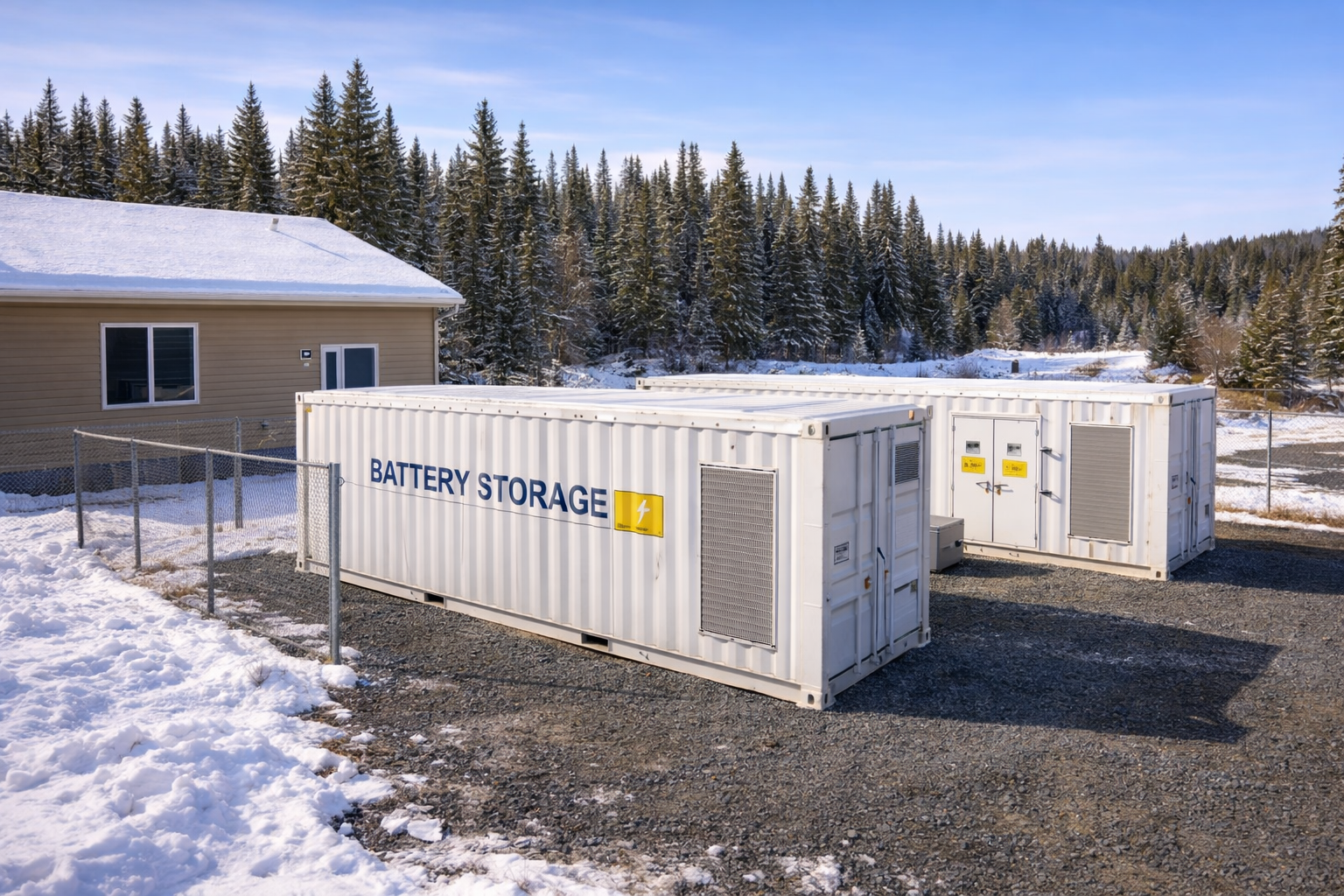
Energy storage, including batteries and thermal systems, holds power from solar and wind so it can be used when it is needed most. It is a necessary part of any hybrid setup that relies on more than one energy source.
Storage makes the grid more reliable and cuts down on how often diesel generators have to run. In grid-connected communities, it can take over for the diesel backups that sometimes protect health clinics, care homes, and other essential buildings.
We plan for storage as part of the whole system. The focus is on sizing it correctly so that critical infrastructure stays powered during an outage without having to immediately rely on diesel.
Hydrogen and Emerging Technologies
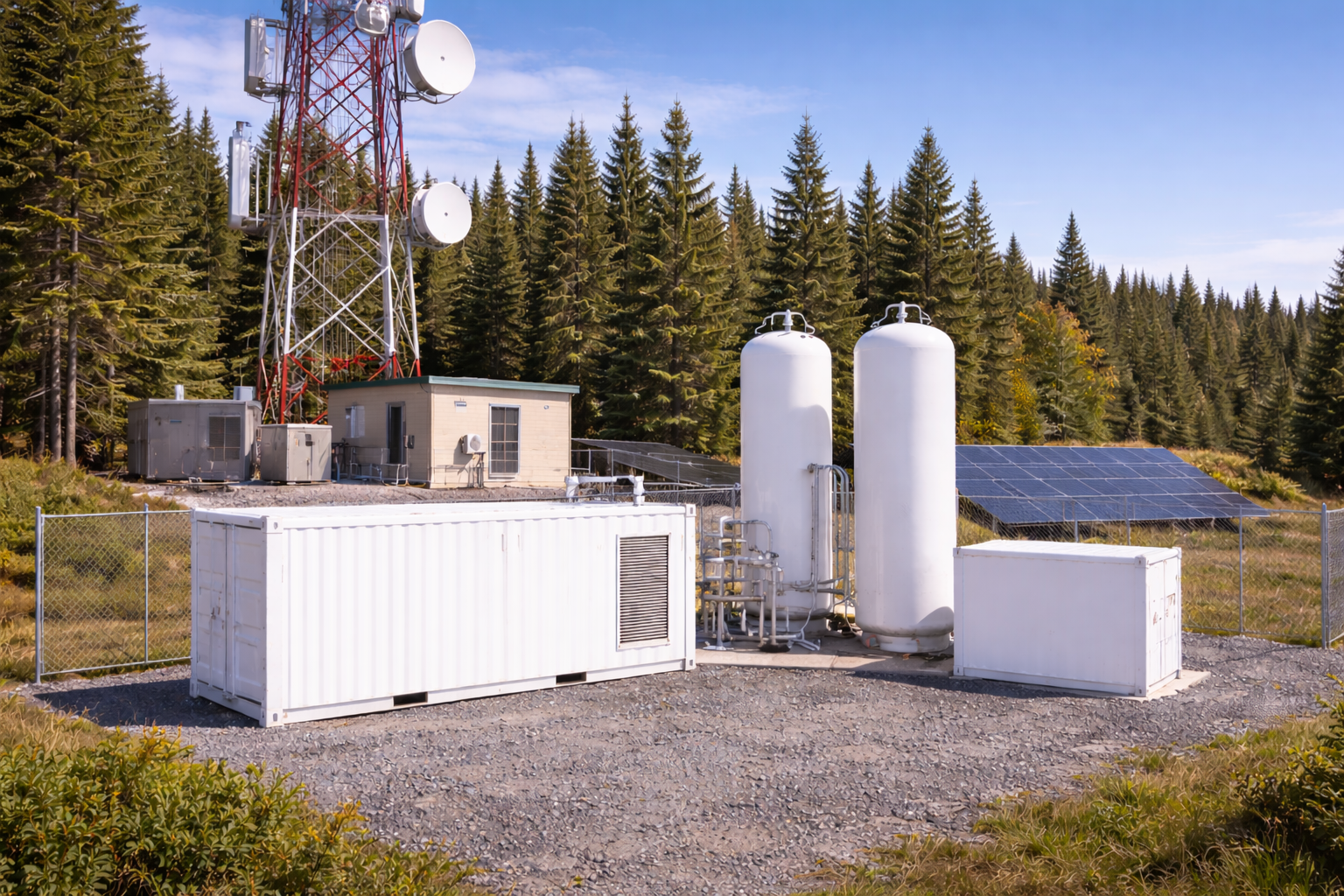
Hydrogen and other new energy technologies may eventually provide ways to store energy for longer periods or support more demanding applications. These options are evolving quickly, but they must be suited to the realities of northern and remote communities.
We work with communities to look at new technologies in a practical way, focusing on cost, infrastructure, and whether systems can realistically be operated and maintained in remote settings.
Adoption is only considered once a technology has proven it can perform under real operating conditions. Unproven systems are not appropriate where people depend on them for essential services.
Hybrid and Integrated Systems
In most cases, combining technologies leads to more reliable results. Solar, wind, geothermal, and storage can work together with existing infrastructure to cut diesel use without risking the power supply.
We focus on how these parts fit together and who manages them. The aim is to ensure the system is built to last and can continue supporting essential services through every season.
Hybrid systems also allow communities to move in stages. You can start with what is needed immediately and expand the system over time as needs grow and new technologies prove themselves.